 0
 0
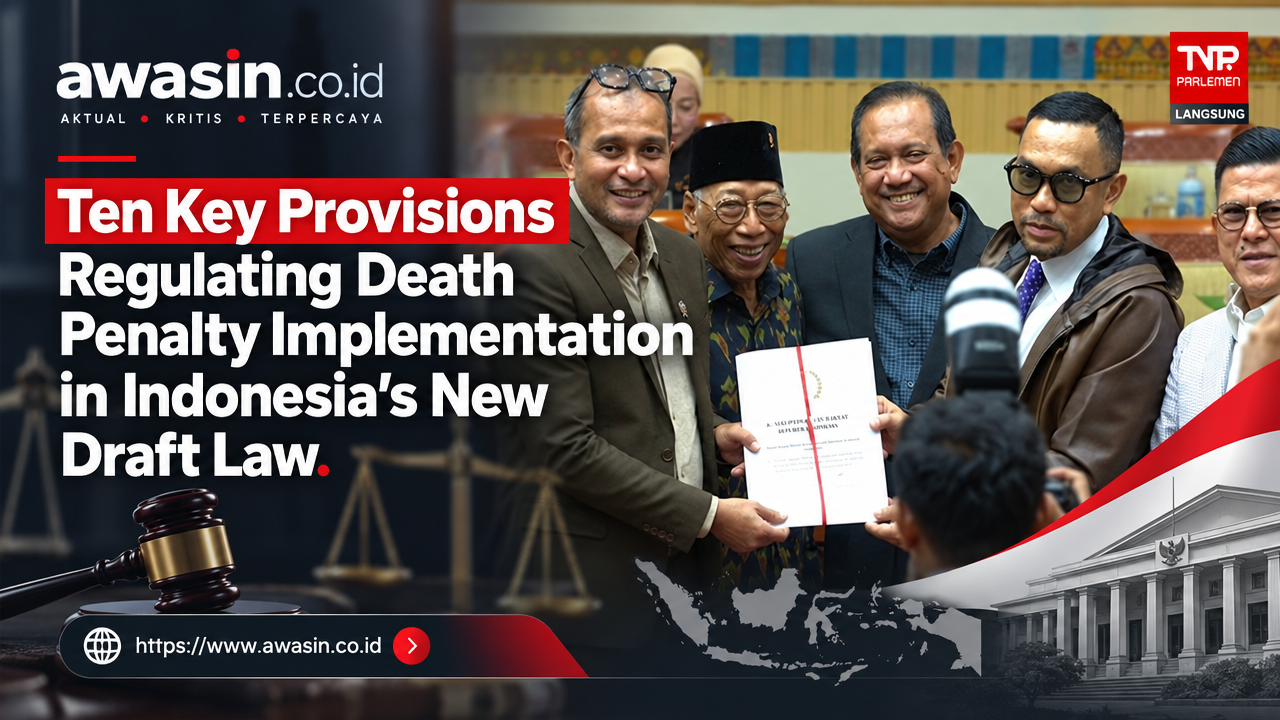
The Indonesian government has introduced a draft law titled Rancangan Undang-Undang Tata Cara Pelaksanaan Pidana Mati (Draft Law on Procedures for the Implementation of the Death Penalty), which outlines detailed regulations governing the execution of death sentences in Indonesia. This legislative initiative aims to ensure that executions are conducted according to clear, humane procedures that respect human rights and legal guarantees. Here are the ten key provisions regulated in the draft law, reflecting the government’s effort to systematize and humanize the death penalty process.
1. Protection of Human Rights and Dignity
The draft law explicitly mandates that the execution of death sentences must honor the human rights and dignity of the condemned individual. This provision underscores a commitment to international human rights norms, requiring that even in the final punishment, the person’s inherent rights be protected and that no cruel or degrading treatment occurs during the execution process.
2. Guaranteeing the Rights of the Condemned
The legislation guarantees specific rights for prisoners sentenced to death. These include access to adequate housing suited for the final phase of their detainment, the right to communicate with family members, proper legal representation, and the ability to request information regarding the location of the execution and arrangements for burial. These protections aim to provide a more humane environment and acknowledge the condemned’s remaining rights before death.
3. Conditions Required to Carry Out Execution
Execution can only take place after stringent conditions are met: all legal appeals must be exhausted, any probation period must have failed, and requests for clemency must be conclusively rejected. This step ensures due process and exhausts all judicial and executive remedies before finalizing the death penalty.
4. Detailed Procedures for the Execution
The draft sets out explicit execution procedures, including the formation and preparation of the execution team, assigning responsible officials, and specifying the precise modalities for carrying out the death sentence. Such protocol aims to provide clarity, transparency, and accountability in a process historically fraught with controversy.
5. Comprehensive Notification System
Notification of the execution must be communicated not only to the condemned person but also to their family, legal counsel, the President of Indonesia, the Supreme Court, and key government ministries including Law and Human Rights, Foreign Affairs, Immigration and Corrections, as well as the National Police Chief and the National Commission on Human Rights (Komnas HAM). This broad notification requirement ensures multiple layers of oversight and awareness across government and civil institutions.
6. Public Disclosure on Execution Decisions
The law requires that information about the execution be publicly disclosed on the day the execution decision is made. This measure is designed to foster transparency and public accountability concerning one of the most severe judicial outcomes.
7. Timing and Location of Execution
Execution must be conducted within 30 days of the official decision. Furthermore, the condemned individual is entitled to request the location of their execution, preferably at the rehabilitation site where they are held. This provision reflects consideration for the prisoner’s preferences and aims to minimize logistical complications.
8. Role and Rights of Legal Counsel
The draft law acknowledges the critical role of legal counsel in representing their clients through all stages, including during the execution process. Lawyers can assist in procedural matters, such as requesting a postponement of the execution if warranted. This addition strengthens procedural fairness and supports the condemned’s access to justice up to the final moment.
9. Presidential Role in Execution Considerations
The President of Indonesia is empowered to provide considerations concerning the execution process. Such presidential input must be addressed promptly in accordance with prevailing laws. This clause underscores the President’s oversight role in capital punishment and ensures that executive review complements judicial decisions.
10. Handling of the Condemned’s Body
Procedures for post-execution handling of the body are specified based on the wishes of the condemned or their family members. For foreign nationals facing death penalty, arrangements must comply with international treaties and agreements. This respects cultural sensitivities and international obligations in the aftermath of executions.
Context and Implications
Indonesia is among a limited number of countries that still retain the death penalty, predominantly applied for serious crimes such as drug trafficking and murder. The introduction of this draft law comes amid a landscape of ongoing debates about capital punishment’s morality, effectiveness, and legal safeguards in the country. Human rights organizations have long urged Indonesia to abolish the death penalty or at least to regulate it strictly to comply with international human rights standards.
This draft law therefore represents a significant legislative step toward codifying procedures and safeguards for the death penalty. By detailing conditions, rights, notifications, and execution protocols, it aims to reduce arbitrariness and enhance transparency in carrying out capital sentences.
If enacted, the law will provide clear guidelines to judicial and corrections authorities, lawyers, the condemned, families, and civil society on how death sentences should be administered. However, it also places Indonesia under scrutiny regarding how these regulations translate into practice and whether they effectively protect human rights.
Next Steps
The draft law is currently subject to parliamentary review. Stakeholders, including human rights groups, legal experts, and political figures, are likely to engage in debate over its provisions’ adequacy and implementation mechanisms. Potential revisions may arise from these discussions, reflecting broader societal views on capital punishment.
Monitoring by the National Commission on Human Rights and civil society will be key to ensuring that if the law is enacted, it results in fair, transparent, and humane handling of death penalty cases in Indonesia.
For more details, see the original sources on hukumonline.com